
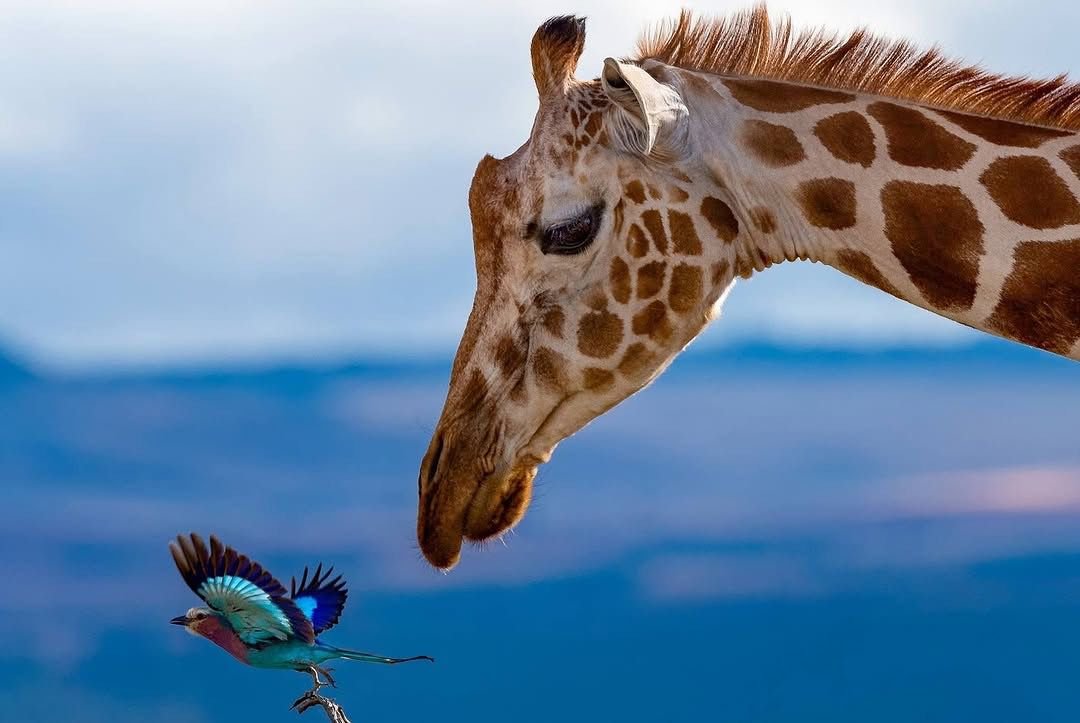
East Africa is the beating heart of wildlife photography. From the endless plains of the Serengeti to the misty highlands of Bwindi, this region offers some of the most rewarding and demanding shooting conditions on the planet. Whether you're planning your first safari with a camera in hand or refining a portfolio you've been building for years, this guide covers everything you need to know about shooting in East Africa: where to go, when to go, what gear to bring, and how to come home with images that actually stand out.
Why East Africa Is the World's Premier Wildlife Photography Destination
East Africa, primarily Kenya, Tanzania, Uganda, and Rwanda, combines three things photographers rarely find together: extraordinary animal density, dramatic and varied landscapes, and light quality that changes character from sunrise to sunset. The Great Migration alone draws thousands of photographers every year, but the region offers far more than wildebeest crossings: tree-climbing lions in Lake Manyara, mountain gorillas in Volcanoes National Park, flamingo-covered lakes in the Rift Valley, and big-tusked elephants in Amboseli framed against Kilimanjaro.
Best Countries and Parks for Photography
Kenya
- Maasai Mara National Reserve arguably the single best location in Africa for predator action and, from July to October, the Great Migration river crossings.
- Amboseli National Park famous for close elephant encounters with Mount Kilimanjaro as a backdrop.
- Lake Nakuru and Lake Bogoria flamingo photography and rhino sanctuaries.
- Samburu National Reserve unique "Samburu Special Five" species and striking red-earth landscapes.
Tanzania
- Serengeti National Park vast open plains, dramatic skies, and the core migration route.
- Ngorongoro Crater a natural amphitheater with extremely high predator density in a compact area.
- Tarangire National Park iconic baobab trees and large elephant herds.
Uganda
- Bwindi Impenetrable Forest mountain gorilla trekking and photography.
- Queen Elizabeth National Park tree-climbing lions and boat safaris along the Kazinga Channel.
Rwanda
- Volcanoes National Park mountain gorillas and golden monkeys in dense, atmospheric forest.
When to Go: Timing Your Shoot Around Seasons and Migration
Timing is everything in East Africa. The region has two main considerations: the dry/wet season cycle and the Great Migration calendar.
- January–March: Green season in the southern Serengeti; calving season produces dramatic predator-prey action.
- June–September: Dry season across most of the region; the migration moves through the Mara River in Kenya, producing the famous crossing shots. Best overall visibility.
- October–December: Short rains; fewer crowds, lush landscapes, excellent birding.
If your priority is migration river crossings, aim for late July through September in the Maasai Mara. If you want dramatic storm-light landscapes and newborn wildlife, the green season is underrated and far less crowded.
Essential Camera Gear for an East Africa Safari
You don't need the most expensive kit in the world, but a few things genuinely matter:
- Telephoto lens (300–600mm) non-negotiable for wildlife. A 100–400mm or 200–600mm zoom is the sweet spot for most photographers, offering reach without the weight and cost of a prime supertelephoto.
- A second body or wide-angle lens (16–35 mm or 24–70mm) for landscapes, camp scenes, and environmental portraits of wildlife in context.
- Fast autofocus and high burst rate animal behavior happens in fractions of a second; a camera with reliable eye/subject tracking will save far more shots than raw megapixels will.
- Beanbag or gimbal head vehicles are your primary shooting platform, and a beanbag draped over the door frame outperforms a tripod in almost every safari scenario.
- Extra batteries and dual card slots dust, heat, and long game drives drain batteries fast, and backup storage is critical since there's no popping into a camera store.
- Lens cleaning kit and rain cover dust on the plains and rain during green season are both realities.
Camera Settings for Fast-Moving Wildlife
- Shoot in shutter priority or manual mode with shutter speeds of at least 1/1000s for action, 1/500s for general movement, and 1/250s or slower for static portraits with a stabilized lens.
- Use continuous autofocus (AI Servo/AF-C) with animal or eye detection enabled if your camera supports it.
- Set your drive mode to high-speed continuous burst for behavior sequences like a hunt or a river crossing.
- Shoot in RAW for maximum flexibility in recovering shadows and highlights in harsh midday light.
- Watch your ISO, East African light is often bright, but early morning and late afternoon (the best light) will push you to ISO 800–3200 on overcast days.
Composition Tips That Elevate Safari Photography
- Get to eye level. Ask your driver to angle the vehicle so you're shooting at or below your subject's eye line rather than down at it, this single change transforms a snapshot into a portrait.
- Shoot the environment, not just the animal. Wide shots that include the landscape, weather, or herd context often tell a stronger story than a tight headshot.
- Chase the light, not just the animal. The golden hour after sunrise and before sunset produces warm rim light and long shadows across the plains plan your game drives around it.
- Anticipate behavior. Watch body language: a crouching lion, a nervous zebra herd, birds taking flight these cues let you pre-focus and catch the decisive moment.
- Include negative space. Wide plains and big skies reward leaving room in the frame for the animal to "move into."
Ethical and Practical Field Etiquette
- Always maintain the distance required by park regulations, especially with gorillas (a minimum of 7–10 meters is standard in Uganda and Rwanda) and predators.
- Never ask your guide to drive off-track or crowd a sighting respectful photographers get better access over time, and reserves are increasingly strict about vehicle behavior.
- Turn off flash photography around wildlife; it's banned in most reserves and can startle animals.
- Support conservancies and community-run reserves where possible many of the best current wildlife encounters exist because of well-managed conservation tourism.
Choosing the Right Safari Vehicle and Guide for Photography
Not all safari vehicles are built for photographers. Look for:
- Pop-top or open-sided vehicles for unobstructed shooting angles.
- A guide experienced with photographers, who understands positioning for light and won't crowd other vehicles at a sighting.
- Small group sizes or private vehicles, which give you control over stopping time and vehicle angle both critical for serious image-making.
Sample Photography-Focused Itinerary (10 Days)
- Days 1–2: Arrive in Nairobi, transfer to Amboseli elephant and Kilimanjaro shots.
- Days 3–5: Maasai Mara predators, migration (season-dependent), golden hour game drives.
- Day 6: Fly to Serengeti plains and big sky landscapes.
- Days 7–8: Ngorongoro Crater high-density predator photography.
- Days 9–10: Optional extension to Tarangire for baobabs and elephant herds, or Zanzibar for a beach/decompression stop.
Post-Processing Considerations
- Shoot RAW and process in Lightroom or Capture One to recover dynamic range from harsh midday contrast.
- Be conservative with saturation East African landscapes already have naturally rich color; over-processing reads as unnatural quickly.
- Cull aggressively. A week-long safari can produce 5,000+ frames; focus your editing time on the strongest 1–2% rather than trying to save every shot.
Final Thoughts
Shooting in East Africa rewards preparation, patience, and respect for the animals and ecosystems you're photographing. Choose your season around what you want to capture, invest in the right telephoto glass, and prioritize light and composition over sheer proximity. Whether you're chasing the drama of a Mara river crossing or the quiet intensity of a gorilla's gaze in Bwindi, East Africa consistently delivers images that are worth the journey.
Planning your own East Africa photography safari? Start by matching your travel dates to the migration calendar for your target park, and book a guide who specifically caters to photographers rather than general tourism groups, it makes a measurable difference in the quality of images you'll bring home
0 Comments